Compare Local Contractors for Yard Drainage Installation Services
Compare local contractors for yard drainage installation to define project scope, verify experience, and set clear expectations for a successful outcome.
Yard drainage installation encompasses a range of services aimed at managing water flow around a property’s landscape. This work typically involves assessing the terrain, identifying problem areas where water accumulates or causes erosion, and designing solutions such as trenches, drain pipes, catch basins, or grading adjustments. Proper drainage helps protect foundations, prevent flooding, and maintain the integrity of lawns and gardens. Property owners should consider the specific drainage challenges they face and communicate clear goals to ensure contractors understand the scope of the project, whether it involves redirecting runoff, installing underground piping, or improving grading to facilitate better water flow.
Defining the scope of yard drainage work is essential for setting realistic expectations and ensuring the project addresses the property's unique needs. A detailed scope includes identifying the problem areas, specifying the types of drainage solutions desired, and outlining any necessary site preparations or modifications. Clear documentation helps prevent misunderstandings and provides a basis for comparing different service providers. When discussing scope, property owners should ask potential contractors about their experience with similar projects, the methods they recommend, and how they plan to approach the work to ensure it aligns with the property’s requirements and local regulations.
Comparing local contractors for yard drainage installation involves evaluating their experience, expertise, and approach to similar projects. Property owners can review credentials such as references or project portfolios, ask about their familiarity with local soil and weather conditions, and verify that they understand the scope of work. It’s also important to clarify how each contractor plans to communicate progress and handle any unforeseen issues. By gathering information on their methods, experience, and communication practices, property owners can make informed decisions and select a service provider capable of delivering the drainage solutions needed to protect their property effectively.
Compare local contractors by outlining project priorities, verifying experience, and setting clear expectations in writing.
- Compare Contractor Experience - Review the background and expertise of local contractors to ensure they are qualified for yard drainage installation.
- Define Project Scope Clearly - Outline specific drainage needs and expectations to communicate effectively with service providers.
- Verify Credentials and References - Check references and past work to assess the reliability and quality of potential contractors.
- Document Details in Writing - Ensure all project requirements, scope, and agreements are documented to set clear expectations.
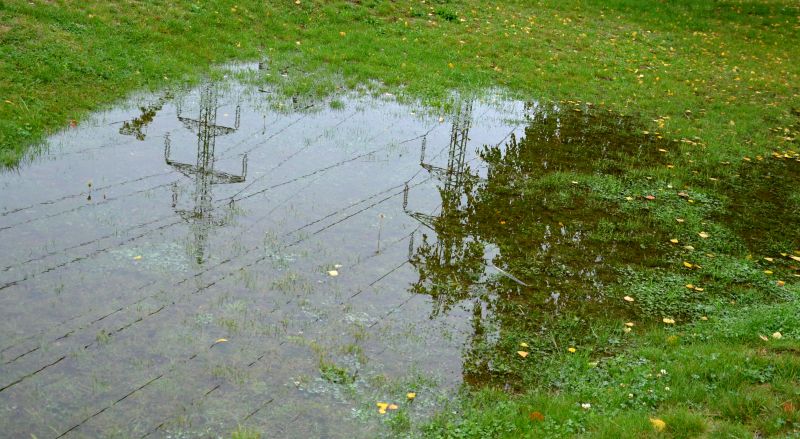
Before comparing local contractors for yard drainage installation, clearly define your project scope and describe it thoroughly.
- Verify the contractor’s experience with yard drainage installation projects similar to the scope of your job. - Ensure the service providers clearly define the scope of work and deliverables in writing before work begins.
- Check that contractors assess your property’s landscape and drainage needs thoroughly prior to proposing a solution. - Confirm that they consider factors such as soil type, slope, and existing drainage issues during evaluation.
- Review the proposed drainage system plan to ensure it includes details on materials, installation methods, and maintenance requirements. - Make sure the plan aligns with your property’s specific drainage challenges and goals.
- Confirm that service providers have proper insurance coverage to protect against potential damages or accidents during installation. - Request proof of insurance to verify coverage is current and adequate for the scope of work.
- Compare multiple local contractors to evaluate their approaches, experience, and scope definitions for yard drainage jobs. - Use this comparison to identify the most suitable service providers for your project.
- Ensure all project expectations, including timelines and responsibilities, are documented clearly in a written agreement. - This helps prevent misunderstandings and provides a reference for project scope and deliverables.
Compare local contractors’ experience and services to clearly define your yard drainage installation scope.
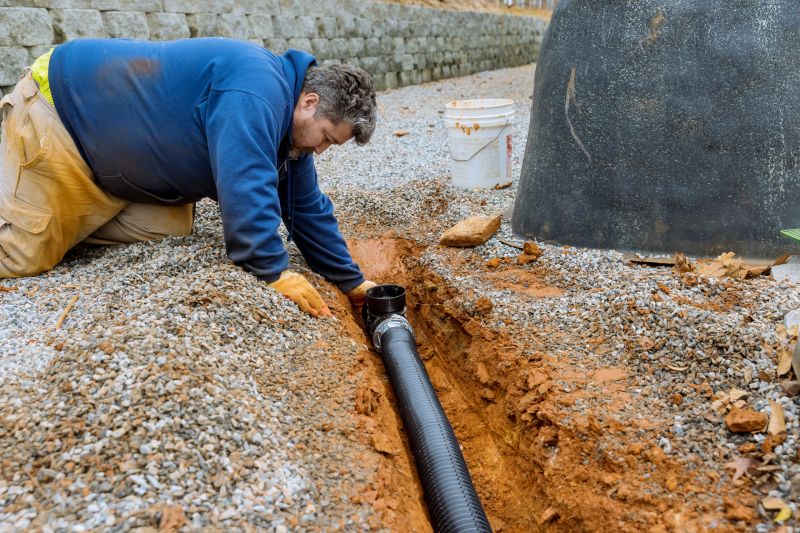
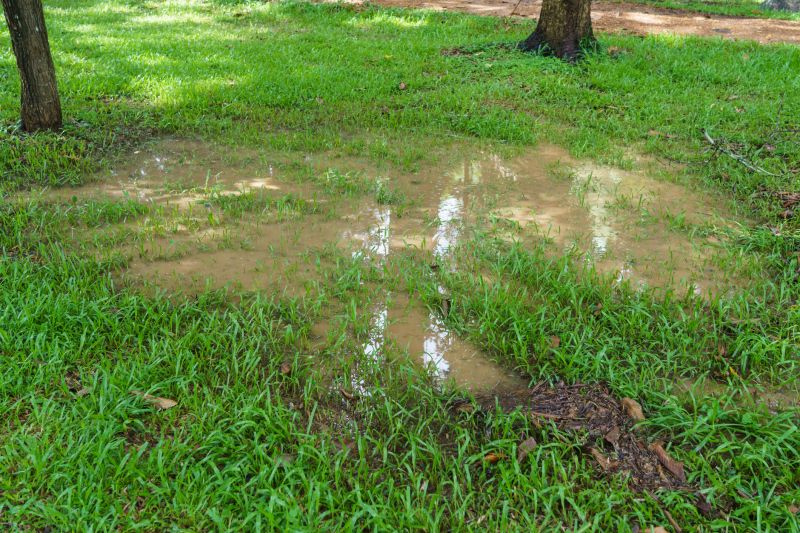
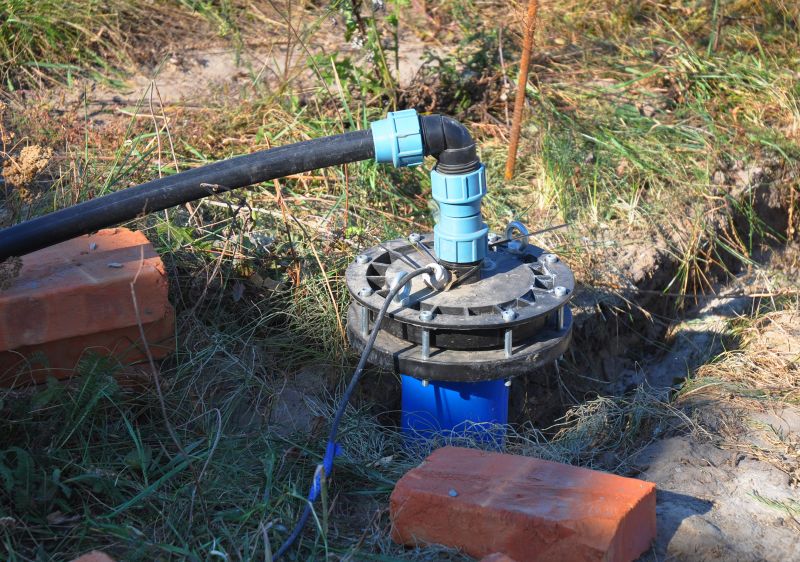
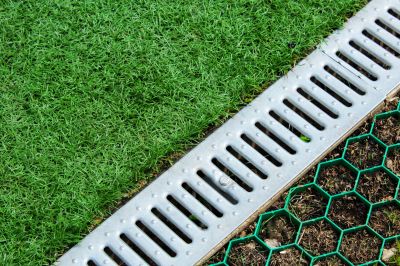
Learn how to compare yard drainage installation contractors, define scope, verify experience, and set clear expectations.
- Scope Definition - Clearly outline the specific drainage issues and the areas requiring improvement.
- Material Selection - Identify the types of drainage solutions and materials suitable for the yard's conditions.
- Experience Verification - Confirm that local contractors have relevant experience with yard drainage installation projects.
- Work Details - Specify the installation process, including excavation, piping, and grading requirements.
- Written Agreement - Ensure all project expectations, scope, and responsibilities are documented in a formal agreement.
When comparing contractors for yard drainage installation, it is important to assess their experience with similar projects. A contractor’s background working on yard drainage systems comparable in size and complexity can provide insight into their familiarity with the specific challenges of the site. Inquiring about past projects with similar scope can help determine if a contractor has relevant hands-on experience, which may contribute to a smoother installation process and more reliable results.
A clear, written scope of work is essential when evaluating potential service providers. This document should outline the specific tasks to be performed, the materials to be used, and the expected outcomes. Having a detailed scope helps ensure that both parties share the same expectations and reduces the potential for misunderstandings. It also provides a foundation for comparing different contractors’ proposals based on the comprehensiveness and clarity of their outlined approach.
Verification basics are key to making an informed decision. While licensing and certifications are not the focus here, it’s important to verify a contractor’s reputation through references or reviews. Asking for examples of completed yard drainage projects can help confirm their capability and reliability. Additionally, checking for any complaints or disputes with previous clients can offer insights into their professionalism and adherence to quality standards.
When evaluating options, it is helpful to compare how each contractor approaches the scope of work and their communication about the project. Look for detailed proposals that specify the work to be done, materials, and any assumptions made. Clarify expectations for project management, timelines, and responsibilities in writing. This process ensures that the selected service provider is well-equipped to handle the project and that there is mutual understanding about what will be delivered, minimizing surprises during installation.
Ask contractors to provide written scope details to ensure clear expectations and consistent project understanding.
- Experience and Credentials - What relevant experience and project history do local contractors have with yard drainage installation?
- Scope of Work - How clearly do contractors define the scope of the drainage system, including materials and methods?
- Comparison of Approaches - What different drainage solutions do service providers recommend, and how do they justify their choices?
- Work Guarantees and Warranties - Do contractors provide written assurances or warranties for their yard drainage installation services?
- Communication and Expectations - How will the scope, process, and responsibilities be documented to ensure alignment before work begins?
What should I consider when choosing a contractor for yard drainage installation? It's important to compare local contractors based on their experience, scope of work, and reputation. Ensuring they understand your specific drainage needs can help achieve effective results.
How can I verify a contractor’s experience with yard drainage projects? You can review their past work, ask for references, and confirm their familiarity with similar drainage systems to ensure they have the necessary expertise.
What questions should I ask a contractor before hiring for yard drainage installation? Inquire about their approach to drainage solutions, how they define project scope, and whether they provide clear written estimates and scope of work details.
Why is it important to have a detailed scope of work in writing? A written scope helps clarify project expectations, prevents misunderstandings, and provides a reference for the work to be done, ensuring both parties are aligned.
How can I compare different contractors for yard drainage services? Consider their experience, scope of work, reputation, and the clarity of their proposals. Gathering multiple estimates can help identify the best fit for your project.
What role does defining project scope play in yard drainage installation? Clearly defining the scope ensures that all aspects of the drainage system are covered, helping to manage expectations and facilitate a smooth installation process.
By reviewing the information provided, visitors can better understand the importance of defining the scope of their yard drainage project, verifying the experience of potential contractors, and establishing clear expectations in writing. This knowledge helps in making informed decisions when comparing service providers and selecting the right local contractors for their needs. Utilizing the quote form allows for easy comparison of options, ensuring that choices are based on the details that matter most.
Taking a moment to use the quote form can streamline the process of connecting with qualified local contractors who specialize in yard drainage installation. It offers a straightforward way to gather information, compare approaches, and identify providers who can handle the job effectively. Exploring these options helps ensure that the project is approached with clarity and confidence, making it easier to find a service provider that aligns with specific requirements.