Get Drain Tile Installation
Drain tile installation services help property owners prevent water damage and manage excess moisture by installing underground drainage systems for basements, yards, and landscaping projects.
Drain tile installation can be an essential step in managing water flow and protecting a property’s foundation. Property owners in the area often explore this work to prevent issues such as basement flooding, soil erosion, or excess moisture that can compromise structural integrity. Whether planning a new construction project or addressing existing drainage concerns, understanding available options and connecting with experienced local contractors can make the process smoother and more effective.
By comparing the services provided by local contractors, property owners can find solutions tailored to their specific needs. Consulting with local pros ensures that drainage systems are properly designed and installed to suit the unique characteristics of the property. Continuing to explore these options can help make informed decisions and support long-term property health and stability.
- Drain Tile Installation - needed when managing excess groundwater to prevent basement flooding and foundation damage.
- Drain Tile Repair - required when existing drainage systems become clogged or damaged, risking water infiltration.
- Drain Tile Replacement - necessary for older systems that no longer function effectively or have been compromised.
- Drain Tile System Design - important when constructing new foundations or landscaping to ensure proper water management.
- Drain Tile Inspection - essential for diagnosing drainage issues and determining if repairs or upgrades are needed.
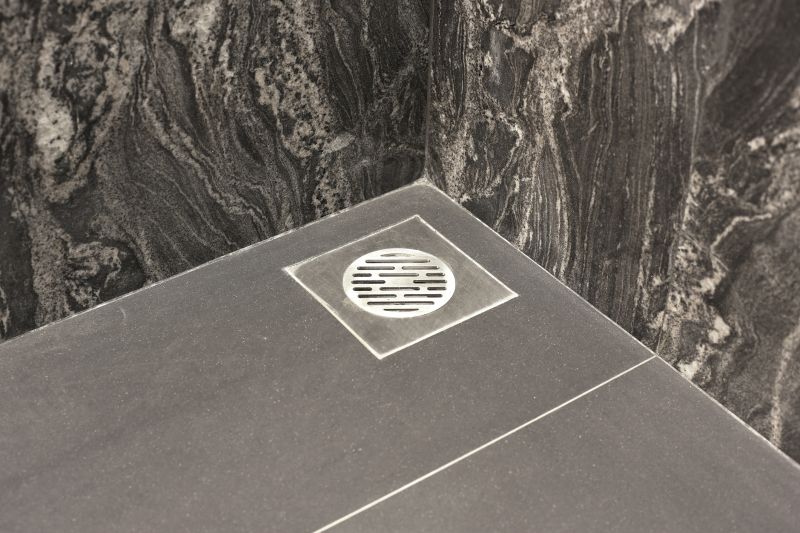
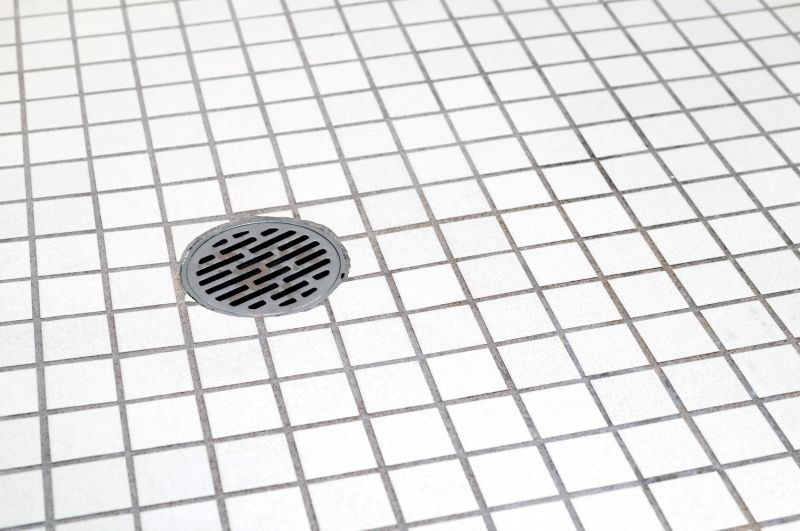
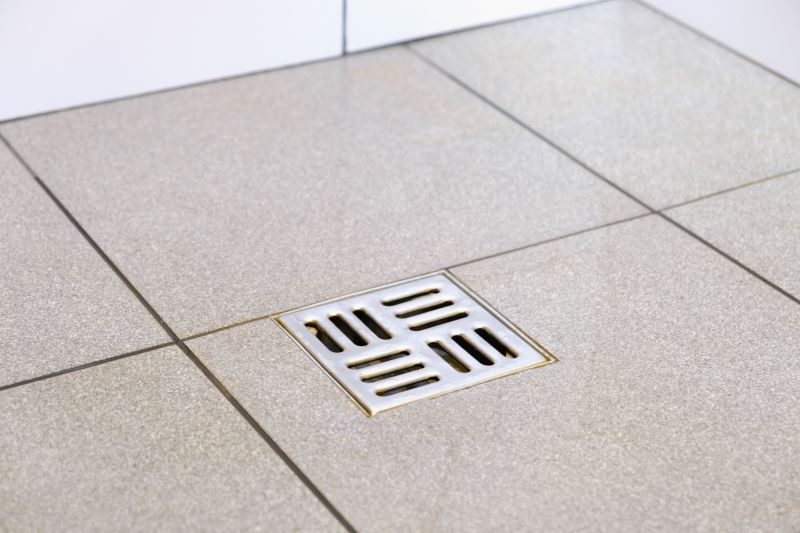
Drain tile installation is a process that involves placing a network of perforated pipes underground to direct excess water away from a property’s foundation. These pipes are typically installed in trenches around the perimeter of a building or in areas prone to water accumulation. The purpose of drain tile systems is to prevent water from pooling around the foundation, which can lead to structural issues, basement flooding, or moisture problems inside the home. Skilled service providers evaluate the property’s landscape and soil conditions to design an effective drainage solution tailored to the specific needs of each property.
This service is essential for addressing common problems caused by poor drainage or excessive moisture. Homes experiencing frequent basement flooding, foundation cracks, or damp walls often benefit from drain tile installation. It can also be helpful in situations where water runoff from rain or snowmelt is causing erosion or pooling in the yard. By installing a proper drainage system, homeowners can reduce the risk of water damage, improve soil stability, and maintain a drier, healthier basement environment.
Drain tile systems are suitable for a variety of properties, including residential homes, commercial buildings, and even some landscaping projects. Single-family houses built on slopes or in areas with high water tables are typical candidates for this service. Properties with poorly draining soil, uneven terrain, or those located in regions with heavy rainfall often require drain tile installation to manage water effectively. Local contractors can assess the property’s specific conditions to recommend and install the right drainage solution that helps protect the foundation and improve overall property stability.
Homeowners should consider drain tile installation when noticing signs of water intrusion, such as damp or moldy basement walls, foundation cracks, or persistent pooling around the property. It’s also a practical step in preventing future water-related issues, especially in areas prone to heavy rainfall or rapid snowmelt. Connecting with experienced service providers can ensure the installation is performed correctly, providing a reliable drainage system that helps maintain the integrity and value of the property over time.
The overview below groups typical Drain Tile Installation projects into broad ranges so you can see how smaller, mid-sized, and larger jobs often compare in your area.
In many markets, a large share of routine jobs stays in the lower and middle ranges, while only a smaller percentage of projects moves into the highest bands when the work is more complex or site conditions are harder than average.
Smaller Repairs - For minor drain tile repairs or replacements, local contractors typically charge between $250 and $600. Many routine jobs fall within this range, especially for straightforward fixes around the foundation or yard. Larger or more complex repairs can sometimes exceed this amount.
Partial Installation - Installing drain tile in specific areas, such as around a basement or a section of a yard, usually costs between $1,000 and $3,000. Most projects in this category stay within this range, depending on the size and difficulty of access, while larger projects may reach higher costs.
Full System Replacement - Replacing an entire drain tile system can range from $4,000 to $8,000 or more. Many full replacements fall into this range, especially for homes with extensive drainage needs, though larger, more complex projects can exceed $10,000.
Complex or Custom Projects - Custom drainage solutions or extensive landscape drainage systems often cost $10,000 and up. These larger projects are less common and tend to involve specialized work, with costs varying based on scope and site conditions.
Actual totals will depend on details like access to the work area, the scope of the project, and the materials selected, so use these as general starting points rather than exact figures.
Foundation Drainage Systems - local contractors often install drainage systems around building foundations, requiring skills similar to those used in drain tile installation to prevent water intrusion.
Basement Waterproofing - waterproofing projects involve managing underground water flow and installing drainage components, aligning with drain tile installation techniques.
Landscape Drainage Solutions - designing and installing landscape drainage systems involves planning for water runoff and using tools comparable to those for drain tile work.
Sump Pump Installation - installing sump pumps often requires integrating drainage systems to channel water away from structures, utilizing similar planning and skills as drain tile services.
Grading and Sloping Services - adjusting ground levels to direct water flow away from buildings involves planning and excavation skills akin to drain tile installation.
Erosion Control Projects - implementing erosion control measures often involves installing drainage channels and systems similar to drain tile setups to manage water movement.
When comparing service providers for drain tile installation, it’s important to consider their experience with similar projects. Homeowners should look for local contractors who have a proven track record in handling drainage systems comparable to the scope of their own needs. Asking about past work or requesting examples of completed projects can provide insight into a contractor’s familiarity with the specific challenges involved in drain tile installation, helping to ensure the chosen professional has the practical know-how to deliver quality results.
Clear, written expectations are a crucial part of selecting a reliable local contractor. Homeowners should seek detailed descriptions of the services offered, including the scope of work, materials used, and any warranties or guarantees provided. Having this information in writing helps prevent misunderstandings and provides a reference point throughout the project. It also allows homeowners to compare different service providers more objectively, ensuring that everyone is on the same page regarding what the project entails.
Reputable references and good communication are essential qualities when evaluating local pros for drain tile installation. Homeowners can ask potential contractors for references from previous clients who had similar work done, giving insight into their professionalism and reliability. Additionally, responsive and clear communication during the initial stages can indicate how effectively the contractor will handle questions, concerns, or unforeseen issues throughout the project. These factors contribute to a smoother experience and help ensure that the chosen service provider is capable of meeting expectations from start to finish.
Property owners use Drain Tile Installation services for practical projects around their homes and businesses. This guide focuses on everyday jobs and straightforward project options.
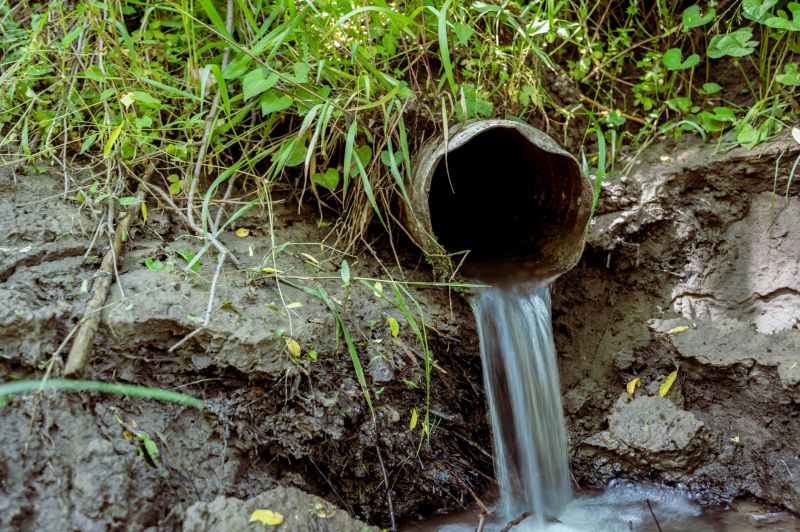
Drain tile installation is a common solution for property owners dealing with persistent basement flooding, uneven yard drainage, or water pooling around their foundations. Local contractors can help install effective drainage systems that redirect excess water away from the property, reducing the risk of water damage and improving overall landscape stability. Whether it's preparing a new construction site or upgrading an existing drainage setup, local service providers have experience handling projects of various sizes and complexities.
Homeowners often seek drain tile services when addressing issues caused by heavy rainfall or poor soil drainage that leads to soggy lawns and foundation concerns. Local contractors can assess the property’s needs and recommend appropriate drain tile configurations to improve water flow and prevent future problems. These professionals are equipped to handle installations that protect the property’s structure and enhance outdoor usability, making them a practical choice for ongoing drainage needs.
What is drain tile installation? Drain tile installation involves placing perforated pipes underground to help redirect excess water away from foundations and prevent water accumulation around the property.
Why is drain tile installation important? Proper drain tile installation helps protect a building’s foundation from water damage, reduces basement flooding risks, and maintains soil stability around the property.
What types of drain tile systems are available? There are various drain tile systems, including perforated pipe networks, gravel-filled trenches, and fabric-wrapped drainage systems, all designed to suit different property needs.
How do local contractors determine the best drain tile solution? They assess factors like soil type, property layout, water flow patterns, and drainage needs to recommend the most effective system for each site.
Can drain tile installation be combined with other drainage improvements? Yes, drain tile systems are often integrated with sump pumps, grading adjustments, or landscape modifications to optimize overall drainage performance.
Prevent Basement Flooding - Installing drain tiles can help redirect excess water away from the foundation, reducing the risk of flooding during heavy rains.
Manage Soil Drainage - Proper drain tile installation improves water flow around a property, preventing water pooling and soil erosion.
Protect Landscaping - Drain tiles can be integrated to prevent water from damaging gardens or landscaping features caused by poor drainage.
Improve Foundation Stability - Installing drain tiles supports a stable foundation by controlling groundwater levels and minimizing soil shifting.
If you are thinking about Drain Tile Installation for a property, this guide is meant to help you understand the work, the typical project types, and how different options might fit your plans.
When you are ready, you can use the quote form on this page to share a few details about your project. From there, local pros can review the basics and respond with options that match what you have in mind.